Root canal therapy
Relieve the pain and save your natural tooth. Root canals have a worse reputation than they deserve. With modern techniques and good numbing, most patients say it feels much like having a filling.
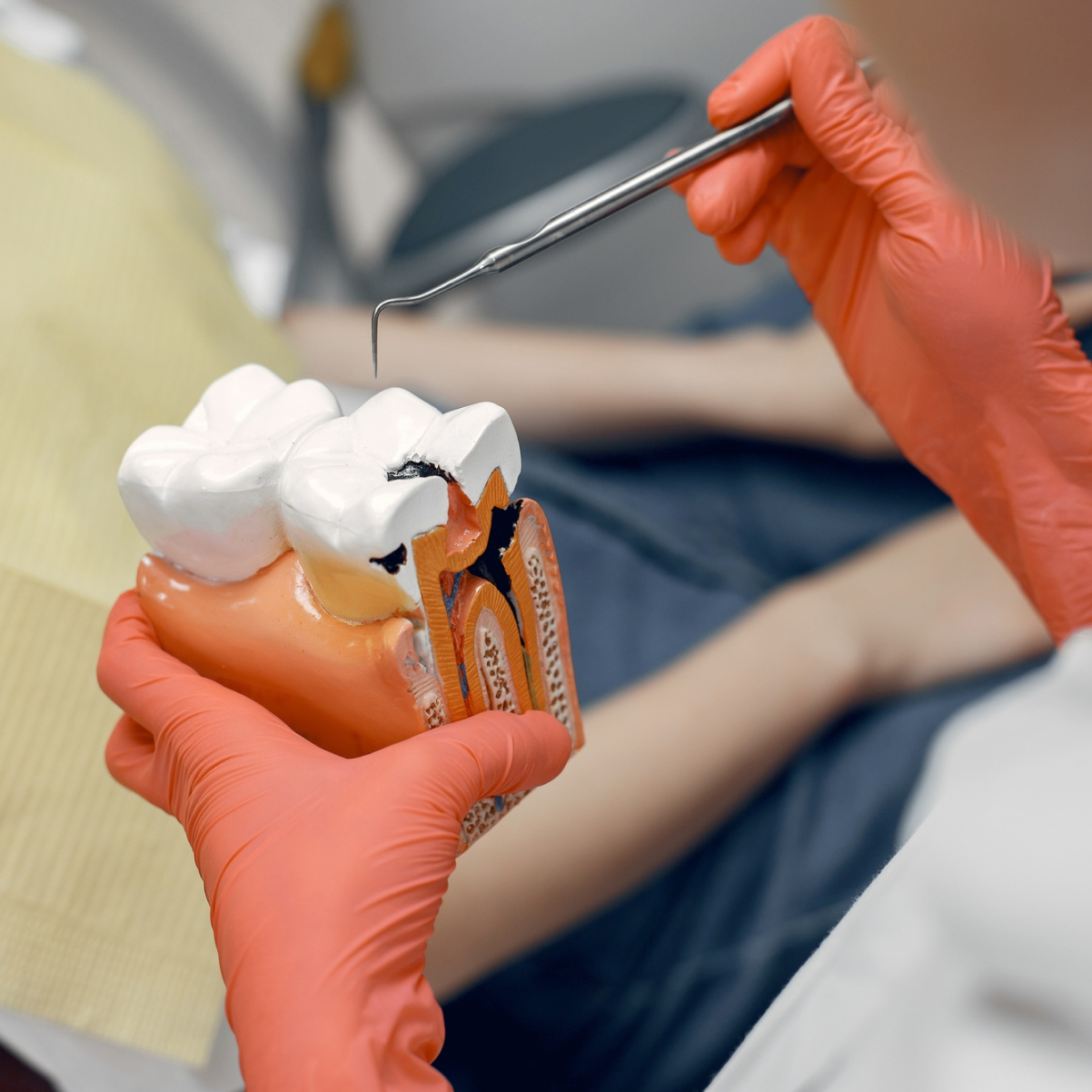
Signs you may need a root canal
- Lingering toothache: especially when chewing or biting down.
- Sensitivity that doesn't fade: pain from hot or cold that lasts after you've finished eating or drinking.
- A darkening tooth: discolouration can mean the nerve inside is damaged.
- Swollen or tender gums: near one particular tooth.
- A pimple-like bump on the gum: often a sign of infection.
- No symptoms at all: sometimes the problem only shows up on an X-ray.
What is a root canal?
Inside every tooth is soft tissue called the pulp, which holds the nerve and blood vessels. If deep decay, a crack or an injury lets bacteria reach it, the pulp can become infected and painful. Root canal therapy removes the damaged pulp, cleans the inside of the tooth and seals it, so you keep your natural tooth.
Your treatment, step by step
- Exam and X-rays: we confirm the cause and explain your options, including costs.
- Numbing: we make sure the tooth is completely numb before we begin. Sedation is available if you're nervous.
- Cleaning: we make a small opening, remove the infected pulp, and clean and shape the inside of the tooth.
- Sealing: the canals are filled and sealed to keep bacteria out.
- Protecting: most treated teeth need a crown to restore full strength, usually at a follow-up visit.
Complex cases may be referred to a root canal specialist (endodontist).
Why save the tooth?
- Fast pain relief: removing the infection takes away the source of the pain.
- Keep your natural tooth: nothing works quite like your own tooth.
- Protect your bite: keeping the tooth stops neighbouring teeth from shifting.
- Avoid bigger costs later: saving a tooth usually costs less than replacing it.
Aftercare
It's normal for the tooth to feel tender for a few days. Over-the-counter pain relievers usually help. Avoid chewing hard foods on that side until your final crown is in place, and call us if you have swelling or pain that gets worse.
Cost & coverage
Most insurance plans cover part of the cost of root canal therapy, with the crown often covered separately. We'll send a pre-estimate to your insurer if you'd like, and give you a written estimate before we start.
FAQ
Is a root canal painful? The treatment is designed to relieve pain, not cause it. With good numbing, most patients feel little more than pressure.
How long does it take? Usually one or two visits of about [60–90 minutes] each.
Can I go back to work afterwards? Most people return to normal activities the same day or the next.
Do I really need a crown afterwards? For most back teeth, yes. A treated tooth can become brittle, and a crown protects it from cracking.
What's the alternative? Removing the tooth. We always try to save natural teeth first, and we'll explain both options honestly.
Related services


Listen first. Explain everything. Treat only what you need.
Dr. Veenu Khubnani leads every treatment plan at Avalon, from a toddler's first checkup to a full smile makeover.